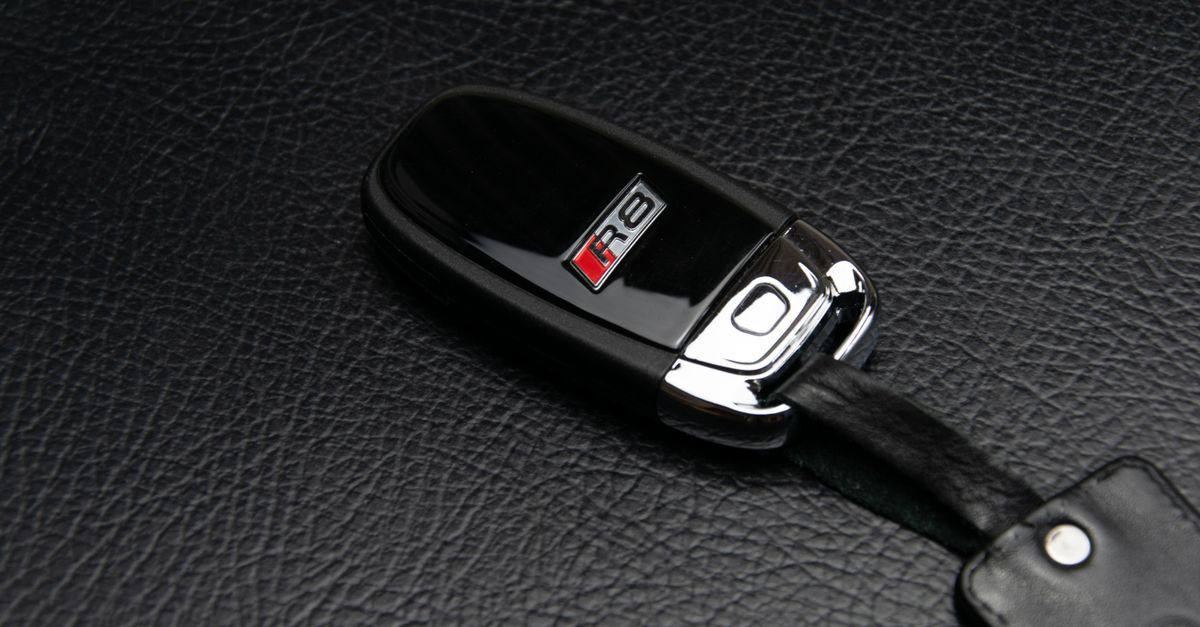
What Makes Audi Key Replacement More Involved Than a Standard Car Key
Audi has moved through several generations of key technology, and the model year and trim level determine exactly what type of replacement is needed. Older Audi models used a basic transponder key — a metal blade with a coded chip embedded in the plastic head. If that chip is not programmed to match the vehicle's immobilizer, the engine will not start even if the key turns smoothly in the ignition. Mid-generation models introduced flip keys and remote fob combinations, where the blade and the remote functions are housed together and must both be cut and electronically paired to the car. More recent Audi vehicles use advanced proximity smart keys, also called Advance Key or keyless-go systems, where the driver never inserts anything into an ignition barrel at all — the car detects the key's presence and allows push-button starting.
On top of the key hardware itself, Audi's IMMO (immobilizer) system requires specific programming sequences that differ by platform, control module generation, and vehicle identification number. Our technicians carry professional-grade Audi-compatible programming equipment and maintain current software for a wide range of model lines, including the A3, A4, A5, A6, A7, A8, Q3, Q5, Q7, Q8, TT, and RS variants. This is precisely why Audi key work is not a generic locksmith task — it demands the kind of specialized preparation and equipment our mobile units stock as standard.