Mortise Lock Repair & Replacement
Washington, DC's historic rowhouses, Embassy Row mansions, and Capitol Hill brownstones share a common architectural detail that sets them apart from newer construction: the mortise lock. Recessed into the door stave rather than surface-mounted, these mechanisms have secured Federal-style doorways, Georgetown townhouses, and Shaw district flats for well over a century. When one fails — whether from age, a forced entry attempt, or a worn cylinder — the repair demands a locksmith who understands both the hardware itself and the older door profiles it lives in. Pro Washington DC Locksmith is a 24/7 mobile service that comes directly to your address, so there is no hauling a heavy antique door anywhere.
Open 24 hours, 7 days a week · Licensed, bonded & insured
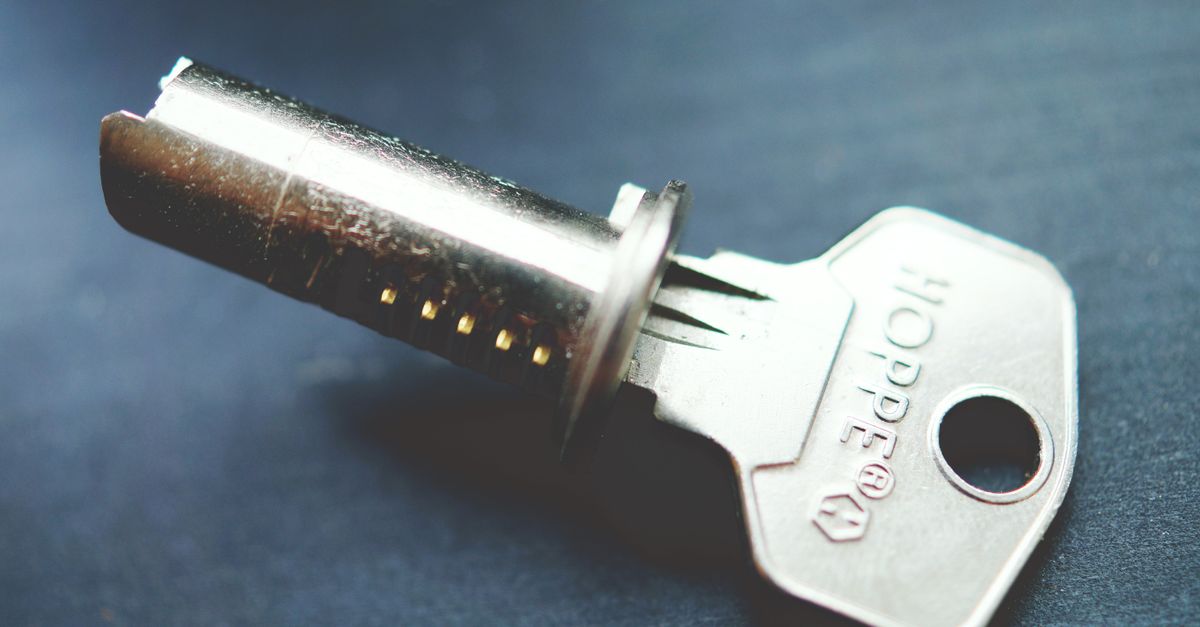
We are your trusted locksmith Washington DC homeowners and property managers call when a vintage lock set stops working and a standard hardware-store fix simply will not do. Our trained, insured technicians carry an inventory of period-appropriate and modern-equivalent components in their mobile units, letting us diagnose and resolve most mortise lock problems in a single visit — damage-free wherever the condition of the door allows. Whether you own a 19th-century rowhouse near Lincoln Park or a mid-century apartment building off Connecticut Avenue, the sections below explain exactly how we approach mortise lock service in the District.
What we do
Available 24/7
Day, night, weekends and holidays — a real local locksmith answers and rolls a fully-stocked van.
Fast local response
Based in Washington, we reach the Washington area in well under an hour.
Insured & background-checked
Vetted technicians, up-front pricing, and no surprise add-ons when we arrive.
Damage-free entry
We pick and bypass locks the right way, so most lockouts are solved without drilling anything.
Frequently asked questions
What is a mortise lock, and is it worth repairing instead of replacing?
A mortise lock is a complete locking mechanism recessed into a pocket cut into the door's edge, incorporating both a latch bolt and a deadbolt — and often a knob or lever mechanism — in a single case. On Washington DC's historic doors, repairing is almost always worth exploring first. The original cases are frequently made of heavy brass that outlasts modern equivalents, and replacing one on a period door often requires matching a pocket size that is no longer a standard dimension. Our technicians inspect the internal components, identify exactly what has worn or failed, and repair where possible — keeping the original hardware in place and avoiding unnecessary modifications to a door that may be more than a century old.
What proof do I need to provide before a locksmith will work on my door?
For any residential or commercial mortise lock service, our technicians will ask for identification that corresponds to the property address — a driver's license, a current lease agreement, a utility bill, or a property deed are all appropriate. For business properties, a business card and ID from someone with an ownership or management role is standard. This step protects everyone: it confirms you have the right to request work on that door, and it ensures our team is not inadvertently assisting an unauthorized entry. We handle this verification quickly and professionally so the actual service can begin without delay.
Should I tip my locksmith?
Tipping is entirely optional and never expected. Our technicians are compensated fairly for their work, and the price you are quoted before the job begins covers the full service. That said, if a technician went out of their way — arriving quickly at 3 a.m., navigating a difficult antique lock case without damaging a 100-year-old door, or sourcing a hard-to-find cylinder format — many customers do choose to express appreciation, and it is always graciously received. There is no obligation either way.
Can a smart mortise lock be installed in a historic DC rowhouse without violating preservation rules?
In many cases, yes. The key is that a smart mortise lock retrofit typically replaces only the cylinder and the exterior trim — the internal case and the door profile remain untouched. Because the modification is reversible and the door's exterior appearance can be maintained with period-appropriate escutcheon trim, this approach often passes muster with DC's historic preservation guidelines. That said, every property and every historic district review is different. We can advise on compatible hardware during the service visit, but for properties formally listed on the historic register, we recommend confirming with the DC Historic Preservation Office before finalizing a hardware choice.
What should I do if I am locked out and cannot afford a locksmith right now?
First, check every reasonable alternative: a spare key held by a neighbor, family member, or building manager; an unlocked window or secondary entrance that you can safely access as the verified occupant; or a property manager who may have a master key. If none of those options exist and you need immediate access, call us at (704) 850-6756 — we will explain exactly what the service will cost before any work begins, with no obligation to proceed until you are comfortable with the quote. We do not use vague estimates or add charges after the fact. Knowing the exact figure up front at least allows you to make an informed decision about next steps.
How does an electric mortise lock work, and is it suitable for an older DC building?
An electric mortise lock uses the same physical case as a standard unit but includes an internal solenoid or motor that can retract the bolt in response to an electrical signal — from a buzzer panel, an access card reader, or a keypad. The locking mechanism itself still functions mechanically if power is interrupted, so the door is not left unsecured during an outage. For older DC buildings, the main consideration is routing low-voltage wiring through walls that may contain original plaster or masonry. Our technicians are experienced in minimally invasive wiring approaches that avoid unnecessary damage to historic interiors. We assess the door frame and wall construction on arrival and walk you through the installation plan before touching anything.