
How Knob Locks Fail — and Why Replacement Usually Beats Repair
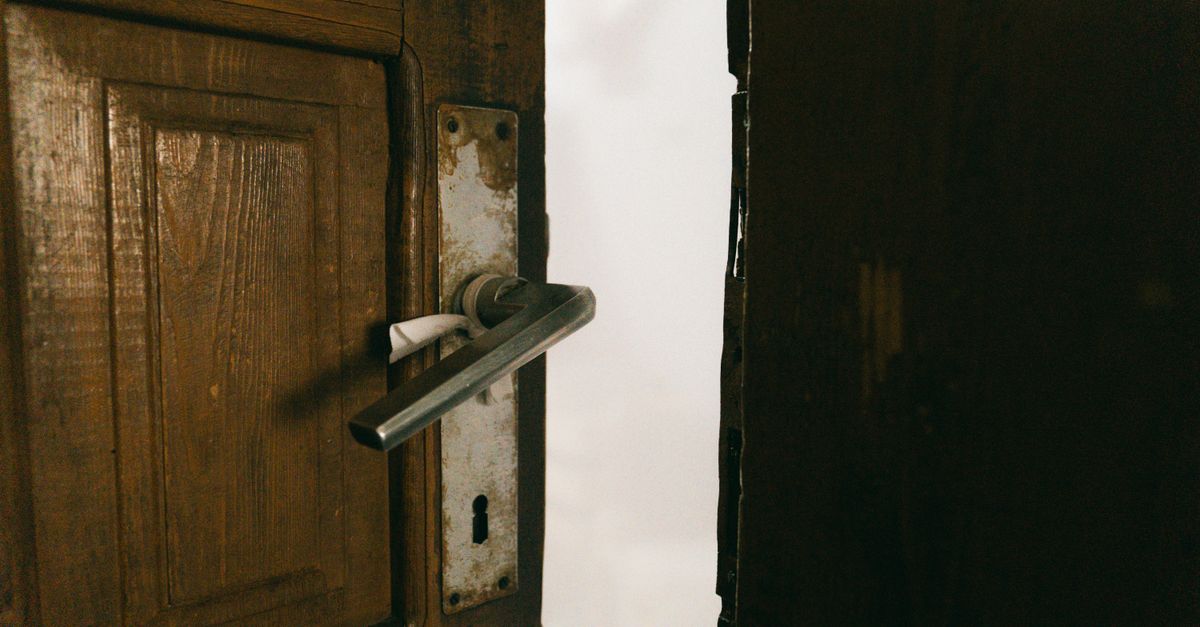
A door knob lock can fail in several distinct ways, and identifying the failure mode determines the correct fix. The most common issues our technicians encounter are: a stripped spindle that lets the knob rotate without moving the latch; a worn spring cartridge that leaves the latch permanently extended or permanently retracted; a broken cam inside the cylinder that disconnects the key from the mechanism entirely; and corrosion or debris buildup — especially common on exterior knobs exposed to DC's humid summers and icy winters — that seizes the cylinder solid. In some cases a single internal component can be swapped out, but knob lock hardware is engineered as an integrated cartridge, and a new unit almost always costs less labor than sourcing and pressing in a single proprietary part for an aging lock.
Loose knobs are a separate but equally urgent problem. When the set screw behind the rose plate strips or the through-bolt works itself out over years of use, the entire knob assembly wobbles. That wobble puts lateral stress on the latch mechanism and, over time, on the door itself. Ignoring it accelerates wear on the strike plate mortise in the door jamb, which can lead to misalignment that no amount of lock replacement will fully fix. Our technicians assess the door frame and jamb condition before installing a new lock, so the replacement seats correctly and the strike plate provides real resistance rather than a false sense of security.