Pro Washington DC Locksmith Service Team
Local locksmith team
Oct 15, 2026 12 min read
If you've ever moved into a rowhouse near Capitol Hill, Dupont Circle, or Columbia Heights and found an unusual rectangular hardware plate on your front door instead of a standard knob-and-deadbolt setup, you've already met a mortise lock — you just didn't have a name for it yet. These locks are deeply embedded in the architecture of Washington, DC, and for good reason: they were the gold standard of residential security for most of the twentieth century, and in many ways they still are.
Understanding what you have on your door — how it works, why it's there, and what to do when it gives you trouble — is genuinely useful knowledge for any DC homeowner. This guide breaks it all down in plain language, with practical advice on maintenance, upgrades, and when to call a professional locksmith Washington DC residents can rely on around the clock.
## What Is a Mortise Lock, and How Does It Actually Work?
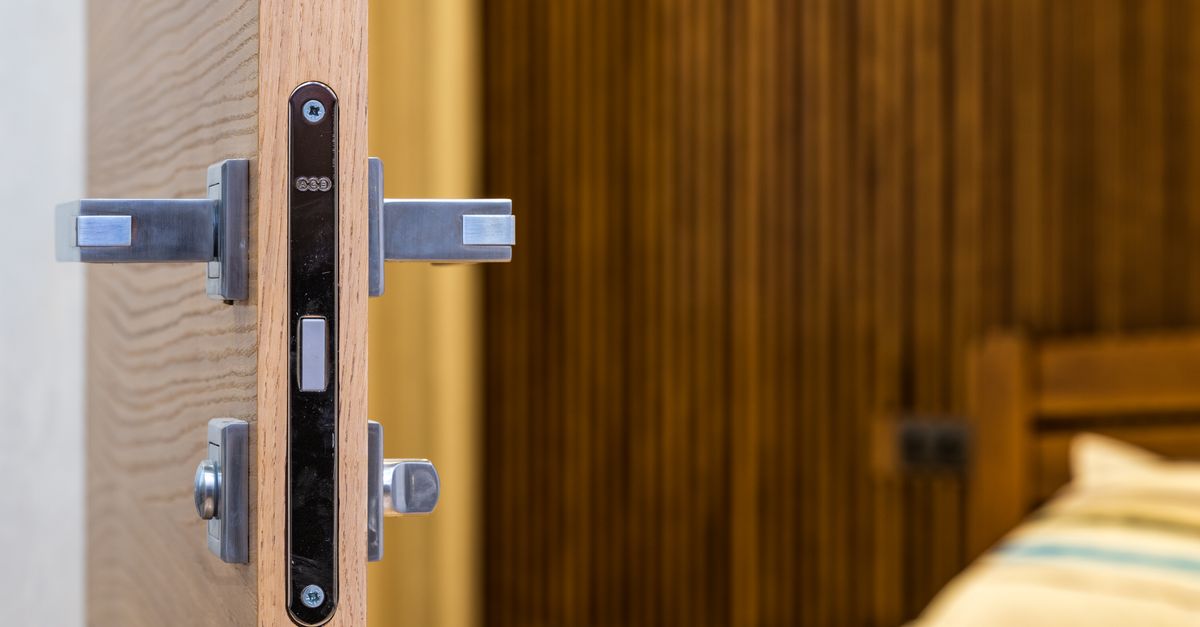
A mortise lock is a lock assembly that fits inside a deep rectangular pocket — the 'mortise' — cut directly into the edge of a door. Unlike a standard cylindrical lock (the kind where a single borehole holds a doorknob with a lock and key built into the knob), a mortise lock set is a self-contained unit that typically combines a latch bolt, a deadbolt, and sometimes a privacy or passage function all in one steel case. That case is mortised flush into the door body, which is why the door edge looks so clean and flat from the side.
On the face of the door you usually see a long, narrow escutcheon plate — the decorative trim — surrounding a door knob or lever, a keyhole, and sometimes a thumbturn. Inside the case, a series of levers or pins engage when the correct key is turned in the mortise lock cylinder, retracting or throwing the bolt. Because the entire mechanism is housed within the door's thickness rather than surface-mounted on it, mortise locks are structurally harder to attack by kicking, prying, or shimming. The bolt engages a strike plate mortised into the door frame, creating two points of solid wood-and-steel resistance. That depth of engineering is exactly why builders specified them for serious exterior doors for decades.
## Why DC Rowhouses Are Full of Them — A Little Local History
Washington's residential building boom ran roughly from the 1880s through the 1940s, filling neighborhoods like Shaw, Petworth, Logan Circle, and Capitol Hill with the brick rowhouses that define the city today. During that entire era, a high-quality mortise lock set on an exterior door was simply the correct hardware — the same way builders today default to a separate knob and deadbolt. Manufacturers like Corbin Russwin and Baldwin became trusted names in the trade, and their mortise lock sets were installed by the thousands in DC's new row homes. A Corbin Russwin mortise lock from 1930 is a serious piece of machined brass and steel, and many of them are still on the original doors, still working, nearly a century later.
Historic preservation requirements in DC's many landmark districts — the Capitol Hill Historic District, the Dupont Circle Historic District, and others — often place restrictions on what exterior hardware can look like. Replacing a mortise lock set with a modern cylindrical deadbolt would change the door's profile and could trigger a review. So owners of historic properties frequently keep the mortise system and simply have the internal mechanism serviced or rekeyed. Even outside protected zones, many homeowners prefer to preserve the original hardware both for aesthetics and because the existing mortise pocket is already cut — retrofitting a completely different lock type means significant door modification. The result is that DC locksmiths service mortise hardware every single week, and our team knows these mechanisms intimately.
## Mortise Lock Cylinder Replacement, Rekeying, and When to Call a Pro
The most common service call we receive on these systems involves the mortise lock cylinder — the plug that your key actually enters. Over decades, cylinders wear, pins corrode, and keys start feeling stiff or suddenly stop working altogether. In many cases the cylinder can be rekeyed (the internal pins are changed so a new key operates the lock) without touching the rest of the mortise body. This is a smart move after buying a DC rowhouse, since you genuinely cannot know who has copies of the previous owner's keys — a concern that matters whether the home is on T Street NW or Anacostia. Rekeying is also faster and less disruptive than full replacement because the door hardware stays exactly where it is.
When the cylinder is too worn to rekey reliably, or when the mortise body itself has internal damage — broken levers, a stuck bolt, a snapped spring — replacement becomes the right call. A skilled locksmith will remove the old mortise lock set, measure the pocket dimensions carefully, and source a compatible replacement. On older doors, finding a unit that matches the existing mortise pocket size matters; cutting the pocket larger is an option, but it requires more work and affects the door's integrity. If you have a Baldwin mortise lock or a Corbin Russwin mortise lock on your door and you're having problems, call us before assuming the whole door needs to go — experienced hands can often salvage and restore hardware that looks hopeless. Reach us any time at (704) 850-6756 and we'll assess the situation honestly before any work begins.
A quick note on locked-out situations: if you find yourself locked out of a home secured by a mortise lock, the right move is to check for a spare key with a neighbor or family member, try any secondary entrance, and then call a professional locksmith. We verify ownership before any lockout work — typically through a photo ID matching the address — which protects both you and the property. Do not attempt to force the door; mortise locks are designed to resist exactly that, and you're more likely to damage the door than open it.
## Upgrading, Maintaining, and Living With a Mortise Lock Set on an Exterior Door
Maintenance on mortise hardware is straightforward but easy to neglect. Every year or two, the cylinder and bolt mechanism benefit from a light application of graphite powder or a dry Teflon lubricant — avoid WD-40, which attracts grit over time and can gum up the internal levers. The face plate screws and the strike plate screws should be checked for tightness; a loose strike is a security weak point regardless of how good the lock is. If the bolt feels sluggish, the door may have shifted seasonally (DC's humidity swings are significant), and a quick adjustment of the strike plate position often resolves it without any lock work at all.
When it comes to upgrading security on a mortise lock set exterior door, there are several legitimate improvements that don't require abandoning the existing system. Upgrading to a high-security cylinder — one with anti-pick, anti-drill, and anti-bump features — replaces only the plug and dramatically raises the lock's resistance to attack. Adding a reinforced strike plate with longer screws that reach the door frame's structural framing (not just the trim) is another meaningful step. Some homeowners also add a secondary surface-mounted deadbolt for extra peace of mind, which can coexist with the mortise system on the same door. If you're uncertain what makes sense for your specific door and neighborhood, a professional assessment from a qualified locksmith is worth more than any online checklist — every door, frame, and situation is different.
## How Our Locksmith Team Handles Mortise Lock Work Across Washington DC
Pro Washington DC Locksmith operates as a fully mobile, 24/7 service across the Washington area, which means we come to your door — whether that's a Federal-era rowhouse in Georgetown, a late-Victorian twin in Brightwood, or a newer townhouse development in Navy Yard. Our team carries mortise lock cylinders, replacement lock sets, and the specialty tools required to work on both antique and modern mortise hardware. We handle residential lockouts, rekeying after a move or a lost key, full mortise lock set replacement, and security consultations for homeowners who want to understand exactly what their existing hardware can and cannot do.
Pricing for mortise lock work depends on several factors: the specific lock model and whether replacement parts are needed, the complexity of the installation or repair, the time of day you call, and travel distance to your location. We confirm an exact up-front price before any work starts, so there are no surprises on the invoice. Our team is trained, experienced, and insured, and we're familiar with the particular quirks of hardware found in DC's historic housing stock — that familiarity makes a real difference when a century-old Corbin Russwin mortise lock needs a delicate touch rather than a heavy hand. Call (704) 850-6756 any time — we answer 24 hours a day, 7 days a week, and we can usually give you a clear picture of what's involved before we even arrive at your door.
## 25 Locksmith Services We Provide Across the Washington DC Area
Our mobile locksmith team is equipped to handle a wide range of needs for homeowners, renters, drivers, and business owners throughout Washington DC and the surrounding area. Here is a full look at what we do: residential lockout service for homes secured by mortise locks or standard cylindrical hardware; mortise lock cylinder rekeying; full mortise lock set replacement on exterior doors; Corbin Russwin and Baldwin mortise lock servicing and repair; high-security cylinder upgrades for existing mortise bodies; fresh key cutting for mortise and standard locks; strike plate reinforcement and door frame security improvements; deadbolt installation on residential doors; knob and lever replacement, including door knob with lock and key configurations; master key system setup for multi-unit properties; lock change after a break-in or security concern; car lockout service for all major makes and models; automotive key duplication including transponder keys; automotive key fob programming and replacement; ignition cylinder repair and replacement; locked-in-car emergency response; safe opening and combination changes for residential safes; padlock removal and replacement; mailbox lock rekeying and replacement; sliding door lock service; window lock installation; garage side door lock replacement; commercial building lockout service; commercial lock rekeying for offices and retail spaces; and after-hours emergency locksmith response for both residential and commercial clients anywhere in the Washington DC metro area. If you don't see your specific need listed, call us — if it involves a lock, a key, or access to a vehicle or building, there's a good chance we can help.
Frequently asked questions
What is a mortise lock, and is it more secure than a standard deadbolt?+
A mortise lock is a complete locking mechanism housed inside a pocket cut into the door itself, rather than surface-mounted through a cylindrical borehole. Because the lock body is embedded within the door's thickness and the bolt engages a mortised strike in the frame, the system is structurally robust and generally harder to attack by kicking or prying than a standard cylindrical deadbolt. That said, security depends on the specific cylinder quality, the condition of the door frame, and correct installation — a worn or low-quality mortise lock cylinder on a soft-wood door frame is not automatically more secure than a well-installed modern deadbolt. A professional assessment of your specific door is the most reliable way to evaluate what you actually have.
My old DC rowhouse has an antique mortise lock that's stiff and hard to turn — can it be repaired, or does it need full replacement?+
In most cases, a stiff or sluggish mortise lock can be brought back to reliable operation without full replacement. The most common culprits are a dry or gummed-up cylinder (a graphite or dry Teflon lubricant usually helps), worn internal levers or springs, or a door that has shifted in its frame so the bolt doesn't align cleanly with the strike. A locksmith experienced with antique hardware will disassemble the lock body, inspect the internal components, and give you an honest assessment of whether the mechanism can be serviced or whether a replacement mortise lock set is the smarter long-term choice. Calling a professional before assuming the worst often saves both the historic hardware and the cost of unnecessary replacement.
What proof do I need to show a locksmith before they'll open my door or work on my lock?+
A responsible locksmith will ask to verify that you have a legitimate right to access the property or vehicle before performing any lockout or lock-change service. For a home, that typically means a government-issued photo ID showing your name at the address in question — a driver's license or state ID works in most cases. If your ID address doesn't yet match (for example, you've just moved in), a lease agreement, a recent utility bill, or a deed can supplement your identification. For vehicles, registration and ID are standard. This verification step protects you as much as it protects the locksmith and the property — it means that someone cannot simply claim your home or car and have a locksmith open it without any accountability. Our team always confirms ownership before starting work.
Should I tip my locksmith, and how do I know I'm getting a fair price?+
Tipping a locksmith is a kind gesture but never expected or required — it is entirely up to you and not a standard part of the service. On the question of fair pricing: the best protection is working with a locksmith who confirms an exact price before any work begins. Pricing for locksmith services varies based on the type of lock or vehicle involved, the complexity of the work, the time of day, and any parts required — all of which should be explained to you transparently upfront. A locksmith who refuses to give you a price before starting, or who quotes one amount and invoices a very different figure, is a red flag. Our team at Pro Washington DC Locksmith confirms your final price before we touch anything, so you always know exactly what you're agreeing to. Call (704) 850-6756 any time — we're available 24 hours a day.