Pro Washington DC Locksmith Service Team
Local locksmith team
Jun 11, 2026 11 min read
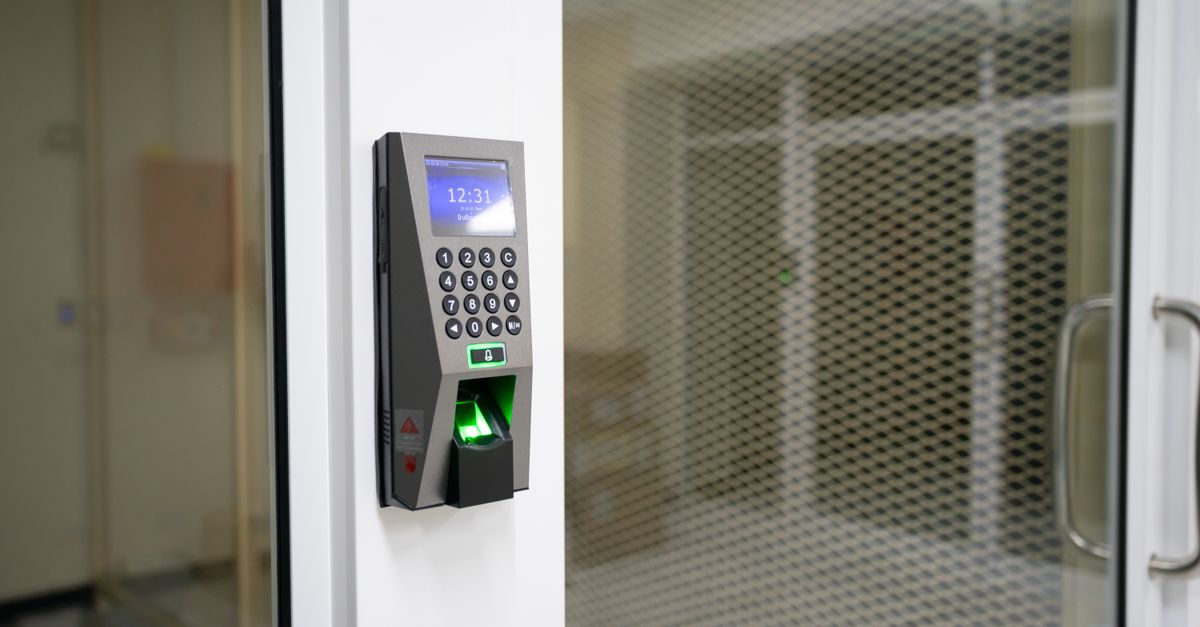
If you manage a Washington, DC office near Dupont Circle, run a retail storefront on 14th Street NW, or oversee a multi-suite commercial building anywhere in the District, you already know the headache of juggling dozens of keys for dozens of doors. A master key system cuts through that chaos — giving you layered, controlled access across every entry point while letting employees or tenants carry only the keys they actually need. It is one of the smartest security investments a DC business can make, and understanding how it works helps you make better decisions about your building before you ever call a locksmith.
This guide breaks down master keying in plain language: how the hierarchy works, which lock types support it, what to consider before installation, and how a professional commercial locksmith sets the whole thing up. Whether you own a single-door boutique or manage a multi-floor office, the same principles apply — and getting them right from the start saves you from expensive re-keying down the road.
## What a Master Key System Actually Does — Starting with the Mortise Lock
A master key system is a layered keying arrangement built into a set of locks so that different keys open different combinations of doors. At the core of the system is the change key — sometimes called a servant key — which opens only one specific lock. Above that sits the master key, which opens every lock in the group. Larger buildings can add a grand master key above that, and even a great-grand master above that. Think of it like an org chart for your doors: a stock clerk carries a change key that only opens the stockroom; a floor manager carries a master key that opens the stockroom, the break room, and the supply closet; and the building owner carries a grand master key that opens everything.
The lock type at the heart of most quality commercial master key systems is the mortise lock. Unlike a standard door knob lock or cylindrical deadbolt that sits in a bored hole, a mortise lock is set into a rectangular pocket cut into the door edge. It is a full-body mechanism housing the latch, the deadbolt, and sometimes a separate privacy or passage function all in one steel case. Mortise locks accept interchangeable cylinders — the plug that your key actually enters — which is what makes them ideal for master keying. A skilled locksmith can swap, rekey, or reconfigure those cylinders without replacing the entire lock body, giving you flexibility as your business grows or your staff changes.
## How the Pin Tumbler System Makes Master Keying Possible
Inside every cylinder — whether it sits in a mortise lock or a door knob lock — is a row of spring-loaded pin stacks. Each stack has a key pin on the bottom and a driver pin on top. When the correct key is inserted, its cuts lift each pin stack to exactly the right height so the gap between the key pin and driver pin aligns perfectly at the shear line, allowing the cylinder to rotate and the lock to open. In a standard lock there is one correct height per pin stack. In a master keyed cylinder, a small additional wafer called a master wafer is inserted into each stack, creating a second shear point. This means two different keys — the change key and the master key — can each align the pins at their respective shear lines and open the same lock.
This is elegant engineering, but it comes with a trade-off worth understanding: every master wafer added to a cylinder creates one additional shear point, which slightly increases the theoretical number of key combinations that could open that lock. For a DC office or storefront, this is rarely a practical concern when the system is designed and installed by an experienced commercial locksmith who uses high-security cylinders with tight tolerances, restricted keyways, and anti-pick features. High-security mortise lock cylinders — available from several well-regarded hardware manufacturers — add sidebars or rotating elements that dramatically reduce any vulnerability introduced by master wafers.
## Designing the Right Access Hierarchy for Your DC Business
Before a single cylinder is touched, the most important step is mapping your access plan on paper. A professional locksmith will walk your space with you and ask specific questions: Which doors does every employee need? Which areas are restricted to managers only? Do you have a server room, a pharmacy cabinet, or a cash office that requires its own isolated key group? Are there shared spaces like lobbies or restrooms that need a separate pass key for cleaning staff? In a typical DC office building — say, a four-story professional suite near K Street NW — you might end up with a system that looks like this: individual office change keys for each tenant, a floor master key for property management staff on each level, a building master key for the facilities director, and a grand master for the building owner.
Getting this hierarchy wrong at the start is costly. If you later realize a key group was designed too broadly — giving a contractor access to areas they should not enter — you may need to re-pin or replace multiple cylinders rather than simply re-cutting a key. A thorough needs assessment up front, done with a locksmith who asks the right questions, protects you from that scenario. If your business situation changes — new hires, a departing partner, a remodeled floor plan — a well-designed mortise lock system can be updated cylinder by cylinder rather than overhauled entirely. This is also the right moment in the conversation to think about who currently has keys to your building. Tracking key control is a security discipline in itself: knowing exactly how many keys exist, who holds them, and whether any copies have been made without authorization is just as important as the physical hardware on the door.
If you are setting up a new commercial space or inheriting an old key system you did not create, call us at (704) 850-6756 — our team can audit your existing hardware, map your access needs, and recommend a master key plan sized for your actual operation, not a one-size-fits-all package.
## Installation Steps: What a Commercial Locksmith Actually Does On-Site
Once the access hierarchy is designed and the right cylinders are sourced, installation follows a structured sequence. First, the locksmith measures each door and frame to confirm the mortise lock body — or the existing door knob lock or cylindrical lock being replaced — is correctly sized and properly aligned. Misalignment is one of the most common causes of long-term lock wear, so this step matters even when it looks routine. Next, any existing cylinders are removed and either re-pinned in a controlled environment or replaced with new high-security cylinders already cut to the master key plan.
Re-pinning is a precise process: the locksmith uses a pinning mat and a set of driver pins, key pins, and master wafers in carefully measured sizes to build each cylinder according to the key cuts assigned in the system design. Each finished cylinder is tested with every key that should open it and every key that should not, before it goes back into the door. Finally, all cylinders are installed, strike plates are checked for proper engagement with the bolt, and the locksmith walks the building with the owner or manager, testing every key-and-door combination in the system. A complete handoff includes a key record — a documented log of how many keys were cut, which key operates which doors, and what the keyway designation is — so you have a paper trail for future service calls or additions to the system.
## Maintaining Your Master Key System and Knowing When to Call for Emergency Locksmith Help
A quality mortise lock installed correctly can last decades, but the system needs occasional attention. Cylinders should be lubricated with a dry graphite or Teflon-based lubricant — never oil, which attracts grit — every year or whenever a key begins to feel stiff or sticky. If a key is lost or an employee leaves without returning their key, the affected cylinder should be re-pinned promptly. Because master keyed cylinders use restricted keyways, unauthorized copies of your keys cannot be cut at a general hardware counter — that is a built-in layer of key control you want to preserve.
Situations that call for an emergency locksmith response include a broken key in a mortise lock cylinder, a seized bolt that prevents a tenant from entering their office, or a compromised cylinder following a break-in attempt. Our mobile team responds across Washington, DC around the clock, including the commercial corridors of Shaw, Capitol Hill, Georgetown, and Adams Morgan. Factors that affect the final quote for any service call — including emergency response — include the lock or hardware type involved, the time of day, travel distance to your location, and any parts required. We confirm an exact up-front price before any work begins, so there are no surprises on the invoice. For non-emergency planning, maintenance, or full system design, the same number reaches us: (704) 850-6756, available 24 hours a day, seven days a week.
## 25 Commercial and Residential Locksmith Services We Provide in Washington, DC
Our mobile locksmith team offers a broad range of services across the Washington area, including: master key system design and installation; mortise lock installation and repair; mortise lock cylinder re-pinning and rekeying; high-security cylinder upgrades; door knob lock installation and replacement; commercial deadbolt installation; grand master and great-grand master key system programming; restricted keyway system setup; key control audits for offices and multi-tenant buildings; emergency lockout response for commercial properties; emergency lockout response for residential properties; broken key extraction from mortise lock cylinders; lock hardware replacement after forced entry; access hierarchy consultation for new construction buildouts; tenant suite re-keying after lease turnover; panic bar and exit device installation; electric strike and access control integration; mailbox lock replacement; cabinet and drawer lock installation; padlock and hasp installation for storage areas; safe lock service and combination changes; automotive lockout assistance; car key cutting and programming; transponder key and key fob replacement; and duplicate key cutting for restricted and standard keyways.
Frequently asked questions
What proof do I need for a locksmith to work on my business locks?+
A legitimate locksmith will ask you to verify that you have the authority to access or modify the locks before any work begins. For a business, that typically means showing a government-issued photo ID along with proof of your connection to the property — a lease agreement, a utility bill in the business name, a business license listing the address, or a deed if you own the building. For a tenant requesting re-keying or cylinder service, a copy of the lease showing your unit number is usually sufficient. This verification step protects you just as much as it protects the locksmith: it is the industry standard that ensures only authorized parties can change access to a property. Our team always completes this step before starting any job.
How much should an emergency locksmith cost for a DC office or storefront?+
There is no single flat answer, because the final price on any emergency service call depends on several real variables: the type of lock or hardware involved (a standard door knob lock costs less to address than a high-security mortise lock cylinder), the time of day (after-hours and weekend calls typically reflect the added cost of 24/7 availability), how far our mobile unit needs to travel within the DC area, and whether replacement parts are needed on the spot. What we can tell you is that we confirm an exact up-front price with you before any work starts — you will never see a surprise charge appear after the job is done. If cost is a concern, ask about the full scope of the quote before authorizing the work so you can make an informed decision.
Should I tip my locksmith?+
Tipping a locksmith is a kind gesture that is genuinely appreciated but never expected or required. Locksmiths are skilled tradespeople, and our pricing is set to reflect the expertise, equipment, and time the job requires — a gratuity is not built into the model the way it might be in a restaurant. If a technician solved a stressful situation quickly, worked in difficult conditions, or went above and beyond to explain the system to you, a tip is a perfectly appropriate way to say thank you. Ultimately it is entirely your call, and our team will do the same thorough job either way.
Can I add doors to my master key system later without replacing all the locks?+
Yes, in most cases — and this is one of the biggest practical advantages of building your system around a quality mortise lock platform with a restricted keyway. As long as you are working within the same keyway family and the key cuts assigned to your master key plan have not been fully used up, a locksmith can re-pin new cylinders to join the existing hierarchy and cut additional keys to match. The key record document you receive at installation is essential for this: it tells the locksmith exactly what pin combinations and key cuts are already in use so new cylinders are assigned correctly. If that documentation was lost or the original system was installed without it, our team can audit the existing cylinders and reconstruct a workable record before adding new doors to the system.